The history of the ERNE Group
The ERNE Group has been combining tradition, innovative strength and entrepreneurial vision since 1906. Over four generations, the family-owned company has developed from a regional construction business into a versatile group of companies with specialized expertise in construction, timber construction, real estate and other future-oriented services.
Since 2024
Continuity, New Perspectives, and Strong Leadership
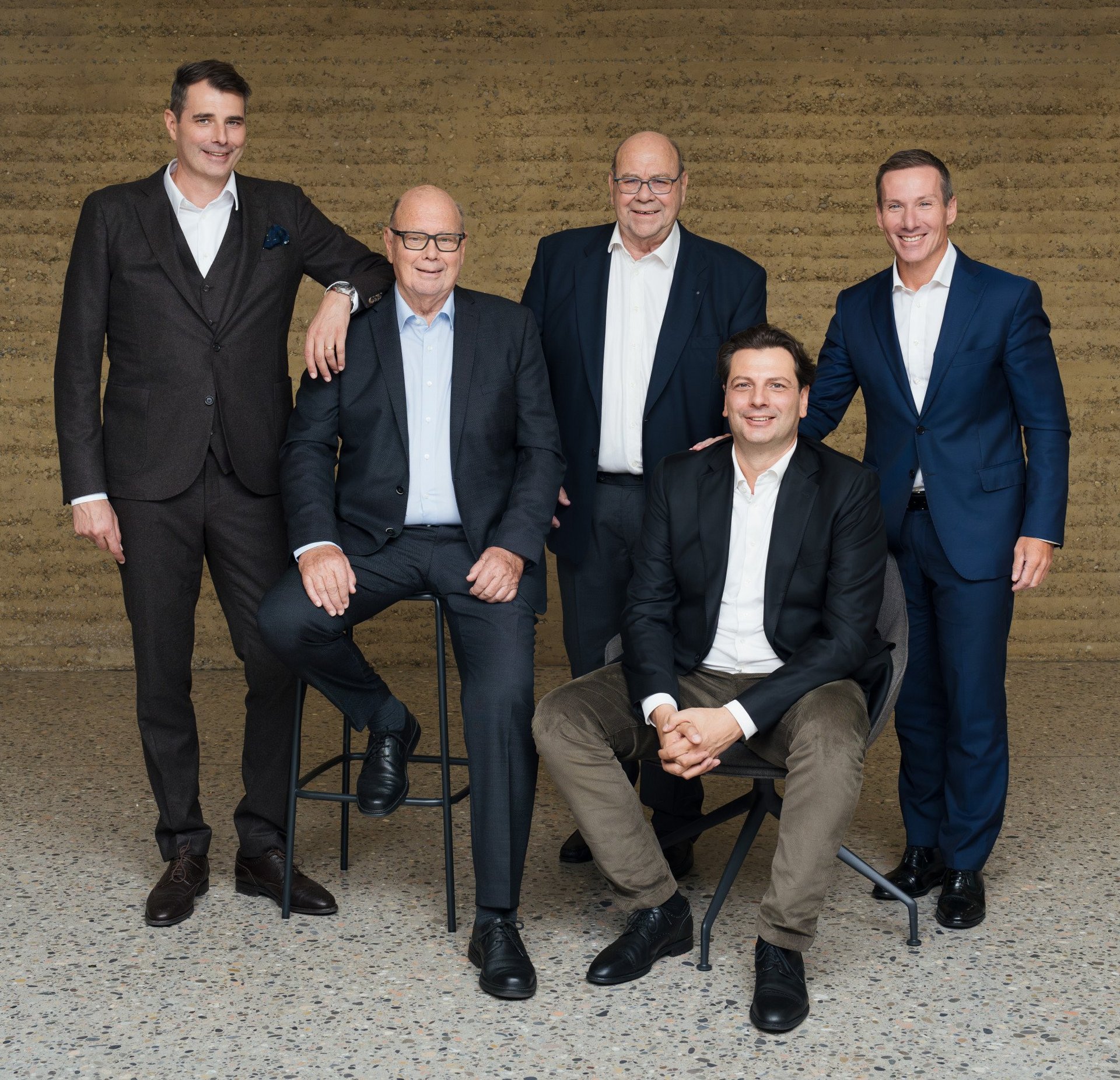
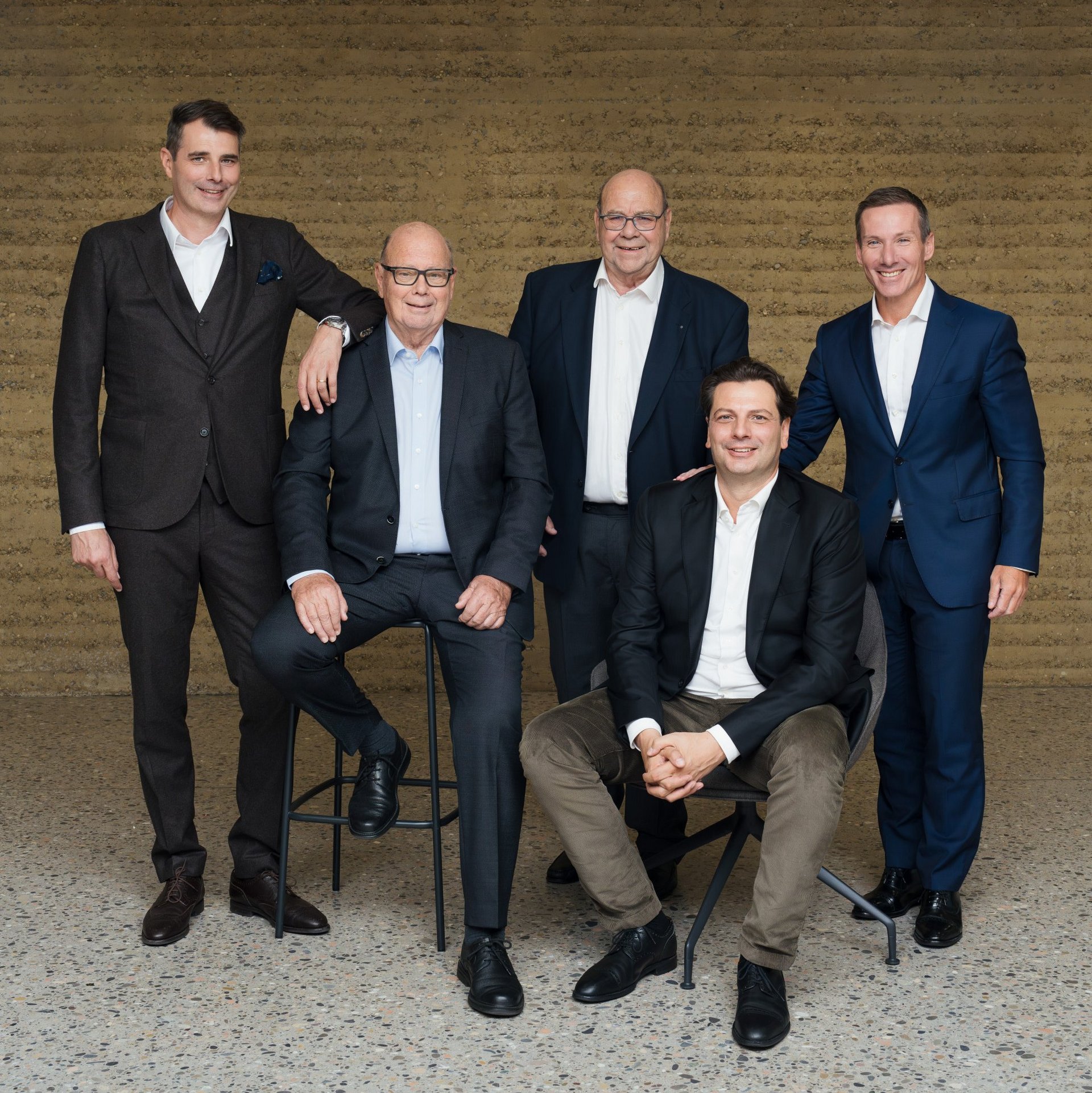
Giuseppe Santagada has been CEO of the ERNE Group since January 1, 2024. In 2025, he will also be officially welcomed as a partner and minority shareholder among the family shareholders. With this stake, Santagada assumes additional entrepreneurial responsibility and contributes his leadership experience to the strategic development of the ERNE Group.
This step sends a clear signal of continuity, trust, and the family-owned company’s commitment to a sustainable future. With over 1,200 employees, the ERNE Group is now one of the leading employers in the construction industry, demonstrating both its growth potential and its innovative strength. In 2026, the ERNE Group will celebrate its 120th anniversary.
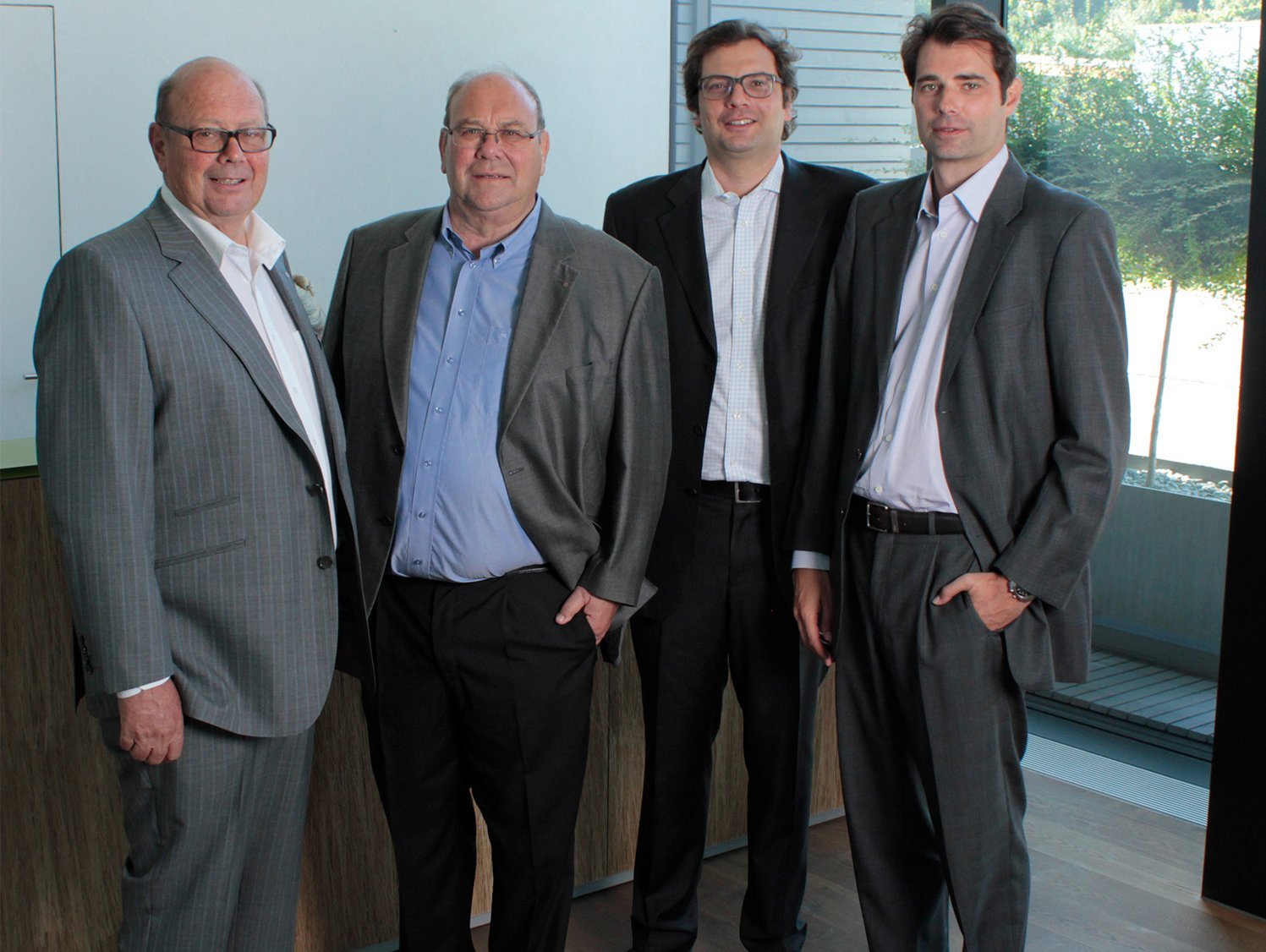
2010 - 2023
4th generation - management and market expansion
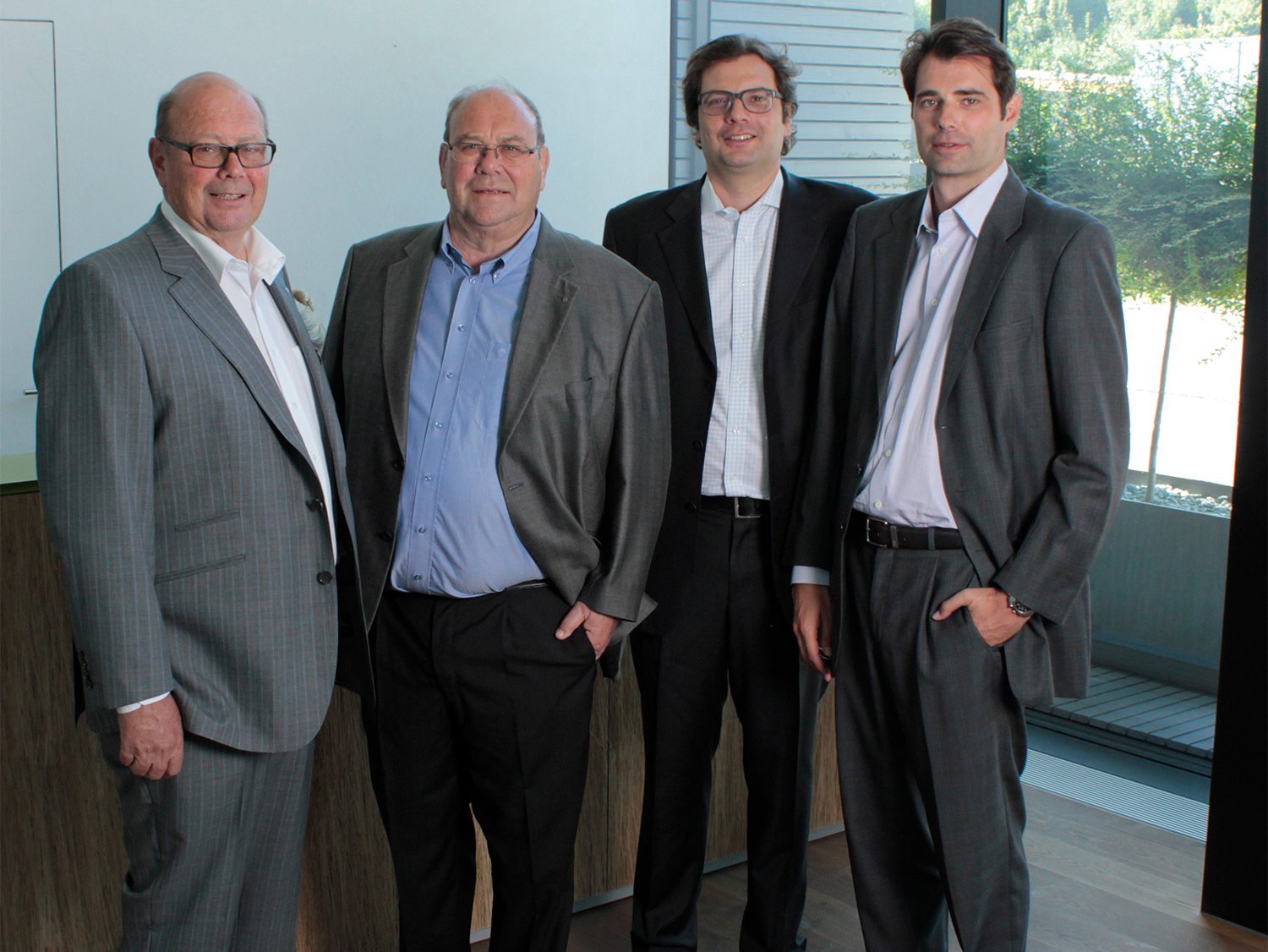
In 2010, Daniel and Christoph Erne take on several directorships in the companies of the ERNE Group, with Daniel Erne becoming Chairman of the Board of Directors of the timber construction companies. This marks the fourth generation to take on management responsibility. The ERNE-Fanten establishes itself as Switzerland's largest fleet of suction excavators and ERNE AG Holzbau moves into its new premises in Stein. To expand the market area, NEUE KUHN AG in Niederrohrdorf and ARNOLD Bau AG in Solothurn are taken over and integrated into ERNE AG Bauunternehmung. In 2017, the ERNE Group celebrates its 111th anniversary with a major summer festival on the ERNE site in Laufenburg. Over 6000 visitors enjoy music, street food and numerous attractions on the 25,000 m² festival site.
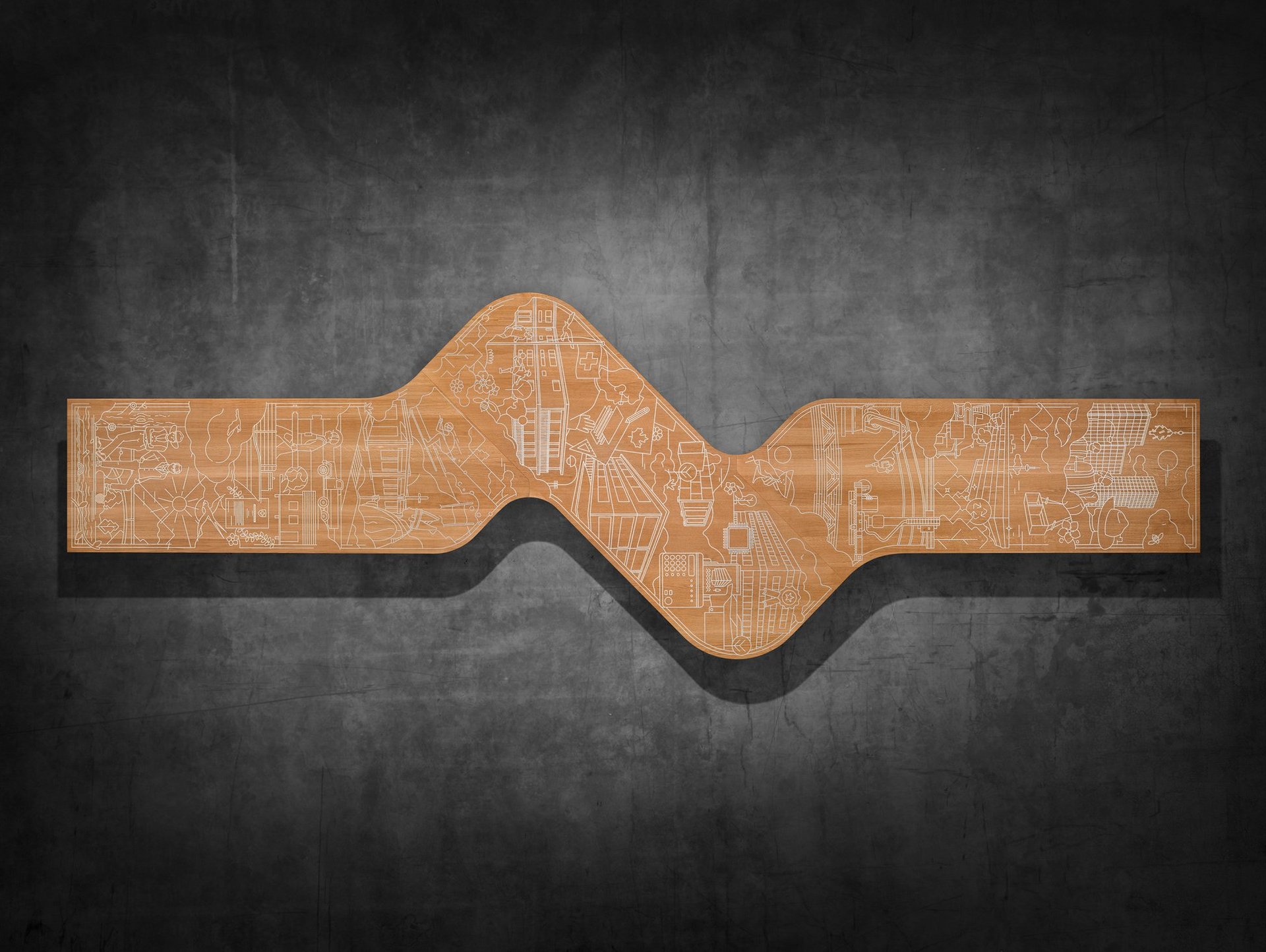
In 2021 and 2023, the timber construction companies of the ERNE Group - ERNE AG Holzbau and HUSNER AG Holzbau - will each celebrate their 75th anniversary. In addition, important corporate structures will be modernized: ERNEFANT AG is created from the suction excavator division of ERNE AG Bauunternehmung, and ERLA Immobilien AG becomes ERNE Immo AG. ERNE AG Holzbau moves into its new office building in Stein and ERNE AG Bauunternehmung opens the remodeled office building of the depot in Füllinsdorf.
A significant generational change at the top takes place in 2023: Erich Erne steps down as Chairman of the Board of Directors and hands over the chairmanship to his son Daniel Erne, while Christoph Erne takes on the role of Vice Chairman. With this step, the fourth generation takes over the operational management of the ERNE Group and ensures the successful further development of the company.
1971- 2010
3rd generation - development, expansion and diversification
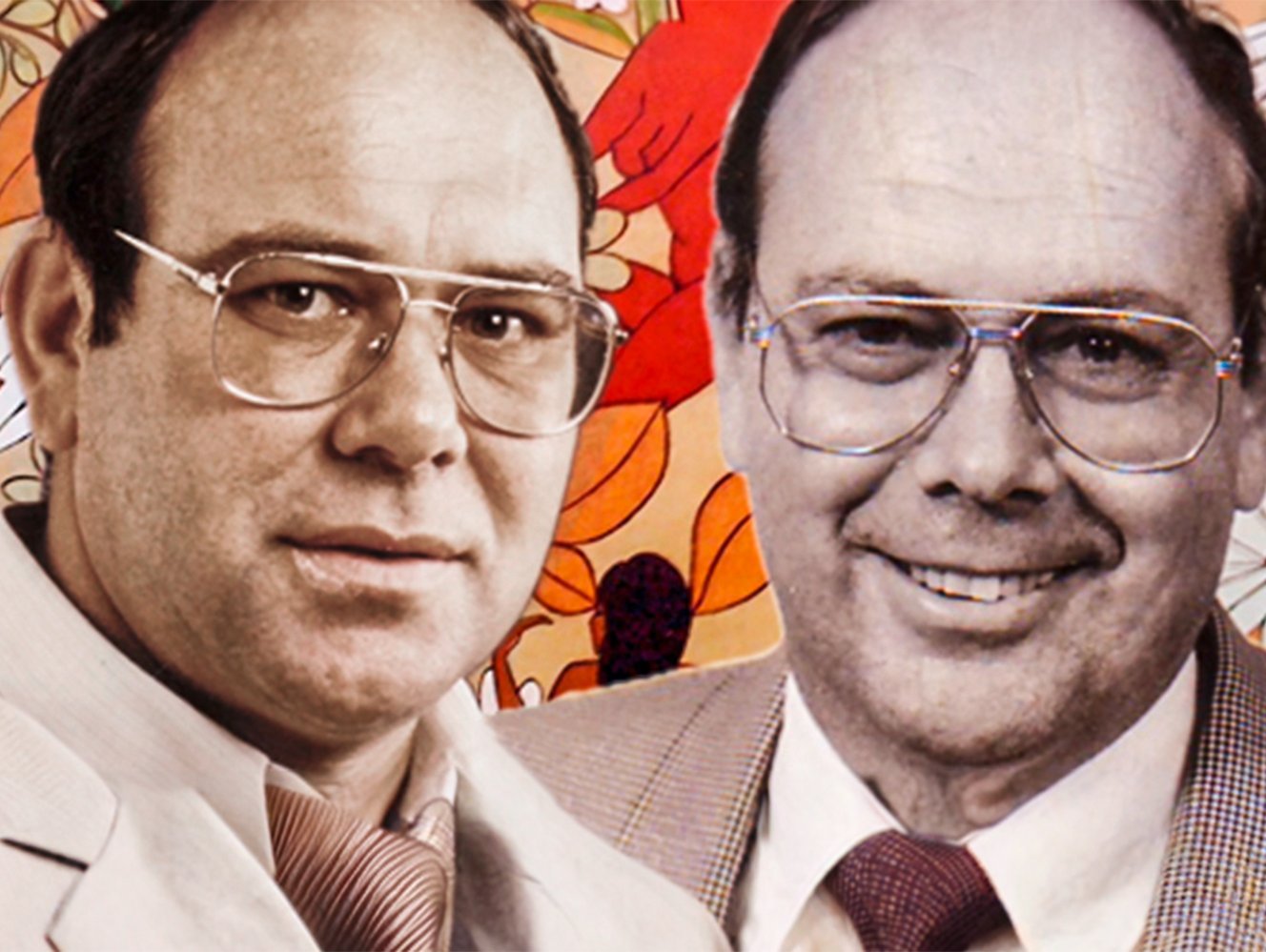
1971 Erich Erne (Dipl. Ing. ETH) and Rudolf Erne (businessman) take over the operational management of ERNE AG Bauunternehmung and ERNE AG Holzbau with 150 employees. The economic crisis forces a reduction in seasonal jobs, temporarily reducing the workforce to 75. However, with the takeover of HUSNER AG Holzbau in 1977, the workforce grows again to 150 employees. In the 1980s and 1990s, new business areas are developed and the company structure is professionalized. In 2001, the holding company ERNE Holding AG is founded. In the same year, Kies + Beton Münchwilen AG is founded as a subsidiary of ERNE AG Bauunternehmung.
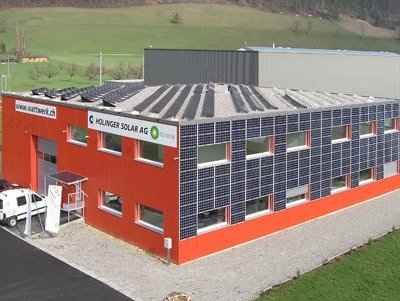
In 2004, Erich Erne hands over the operational management, but remains Chairman of the Board of Directors. During this phase, the ERNE Group focuses increasingly on quality management, certifications and sustainable construction projects. ERNE AG Holzbau wins the European Solar Prize for the Minergie-P project "Wattwerk", while the construction company receives ISO 9001, EKAS 6508 and PQM certifications. In 2006, the Group celebrates its 100th anniversary with over 13,000 visitors and more than 500 employees for the first time.
The strategic expansion of the market area takes place between 2008 and 2010: ERNE AG Bauunternehmung takes over Gebr. Meier AG Tiefbau and AG Jäggi, which strengthens the civil engineering and building construction business in the Olten region. Kies + Beton Münchwilen AG puts the excavation washing plant into operation, thus closing the ecological material cycle. In 2009, ERNE AG Holzbau and HUSNER AG Holzbau are awarded the Watt d'Or for the implementation of the Minergie-P-ECO façade of the zero-energy residential development "Eulachhof, Winterthur".
1932- 1971
2nd generation - The era of specialization
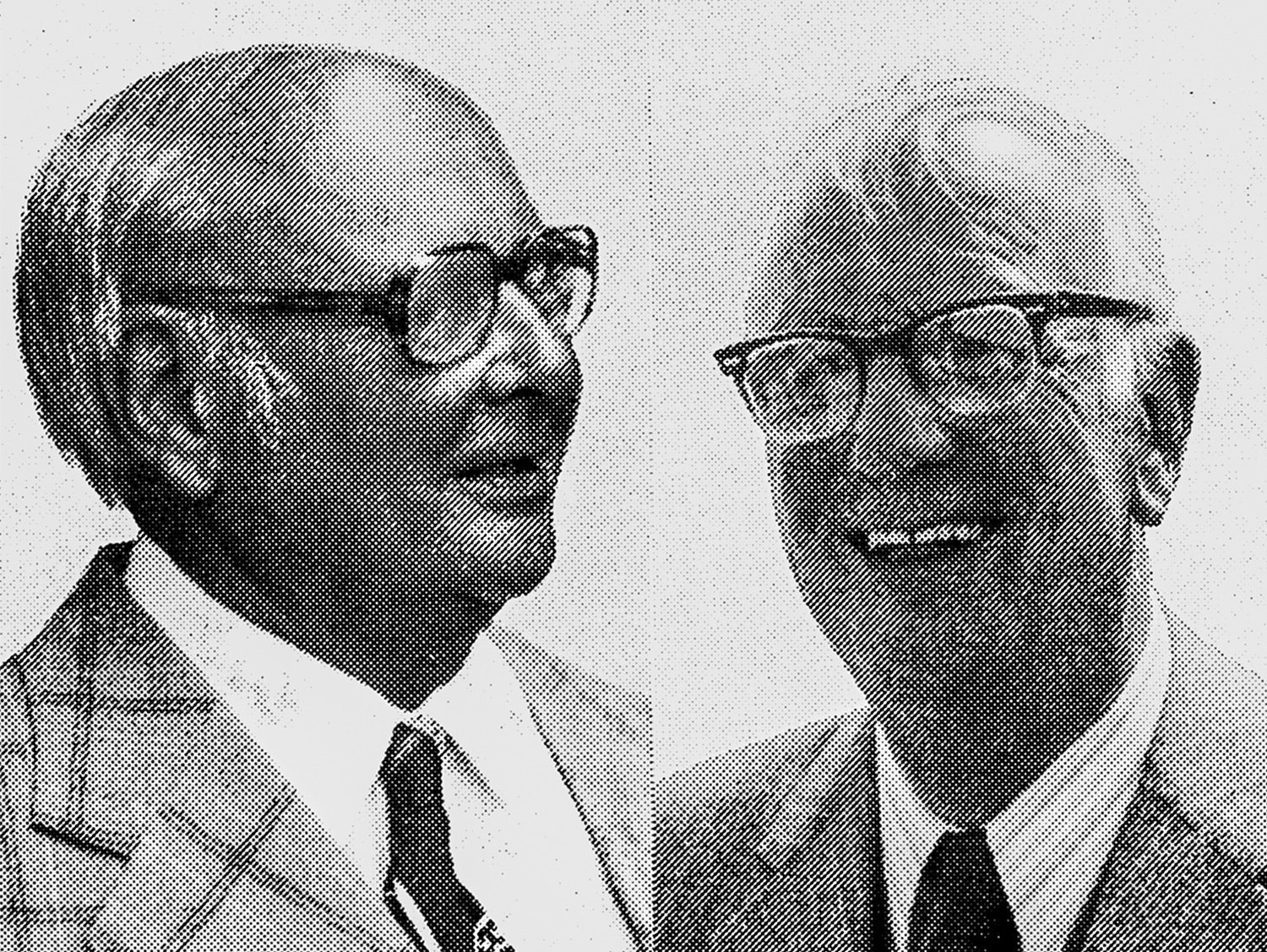
The second generation joins the company in 1932 with Victor (qualified civil engineer) and Paul Erne (qualified structural engineering technician). The earnings situation improves with the upswing and enables the purchase of the "Maxima small crane" - an attraction that enables the construction of 3-storey houses. In 1950, the post-war construction boom led to a rapid increase in construction volume.
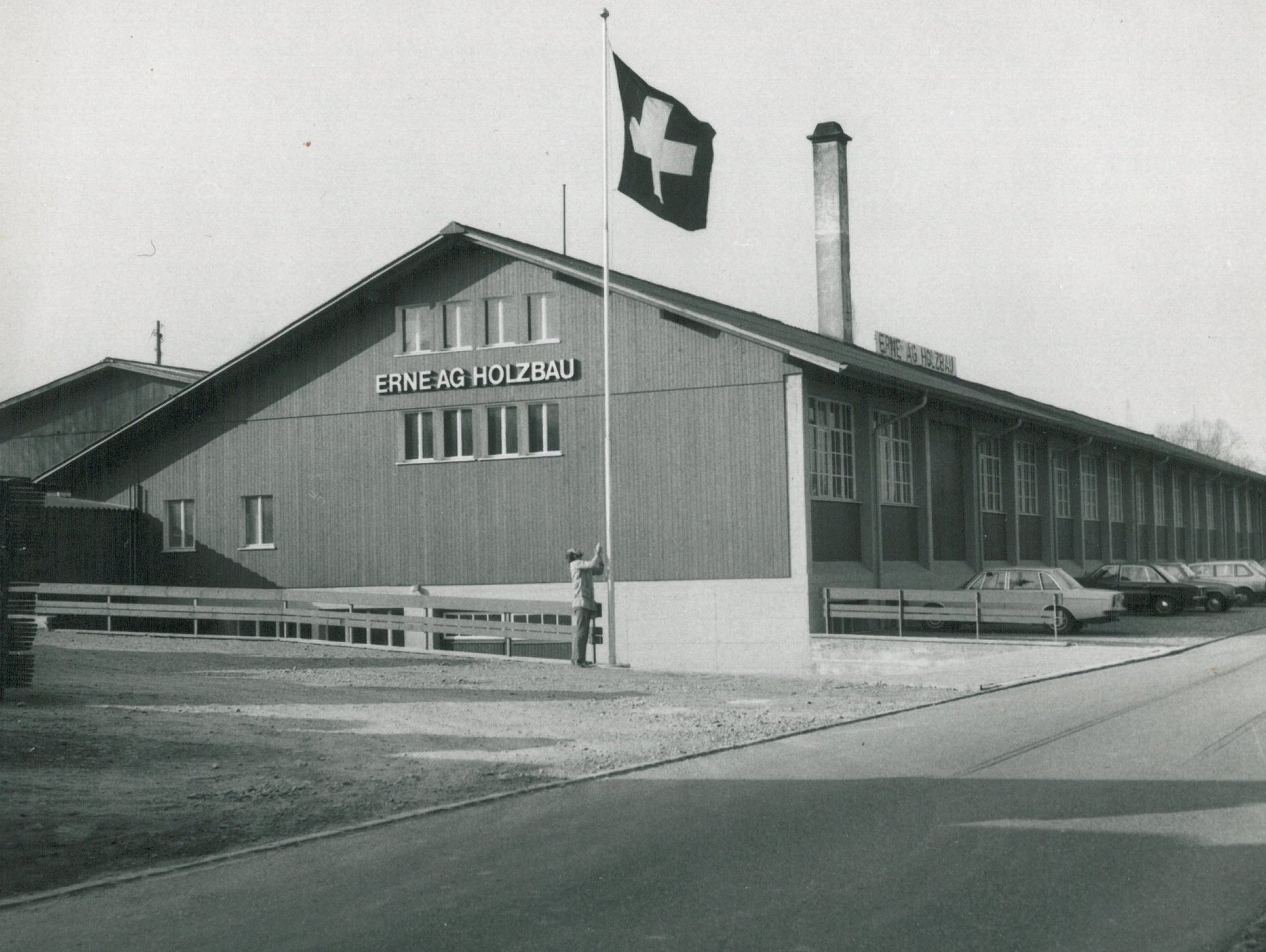
1965 marks an important milestone in the company's development: The company is split into two independent sister companies. ERNE AG Bauunternehmung is taken over by Victor Erne, while ERNE AG Holzbau is managed by Paul and Elsa Erne. This division created the basis for a targeted specialization of the business areas and the independent further development of construction and timber construction expertise - a decisive step for the subsequent growth and diversification of the ERNE Group.
1906 - 1932
1st generation - a time of pioneering spirit
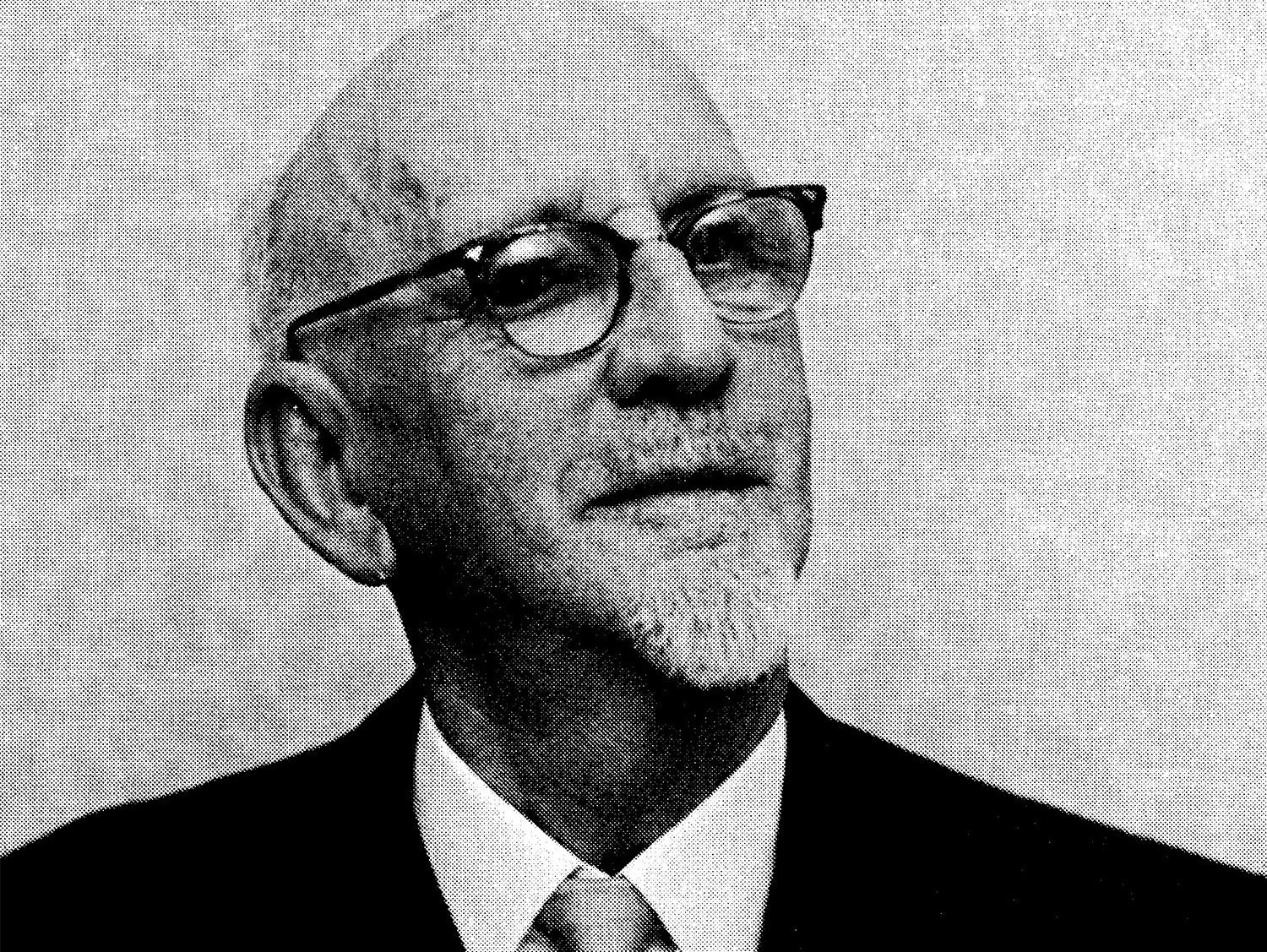
In 1906, Joseph Erne and his wife Frida Speiser founded the Joseph Erne-Speiser construction business in Laufenburg under the simplest of conditions. Just one year later, they built a combined commercial and residential building, which still serves as ERNE's headquarters today.

After the First World War, construction activity picks up again significantly: Demand increases and the workforce grows to up to 150 employees at times. However, a major project in Waldshut - the construction of 20 semi-detached houses and a school - is overshadowed by the rapid inflation in Germany. Although the project generates income of several trillion euros, this is no longer even enough to pay the bill for a quarter of wine, a gnagi, a salmon sandwich and a fizzy drink.